black sabbath - steel city blues

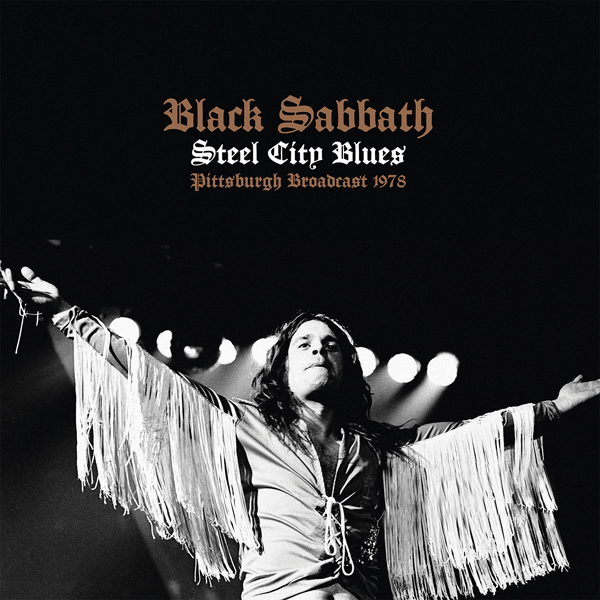
Black Sabbath: Steel City Blues (1978)

First off: Rest in Peace, Ozzy Osbourne. You can argue until you’re blue in the face the face, but in the end there is no argument: the man was the personification of heavy metal. No one sounded like him, and no one lived the metal life quite like he did. Even as a doddering family man on reality TV, he still managed to embody spirit and fire that ignited an entire movement more than 50 years ago on February 13th, 1970 when the first Black Sabbath album enveloped the world in its darkened wings. After a night spinning all my favorite records from the man, it was inevitable I would get an entry in today, but I wanted to write about something different, so let’s look at the end of an era. Steel City Blues was recorded live in Pittsburgh in 1978, just as they were recording Never Say Die! A year later he’d be fired, but listening to this live broadcast all I hear is a band still capable of fire and passion.

Continue reading “Black Sabbath: Steel City Blues (1978)”
haystacks balboa

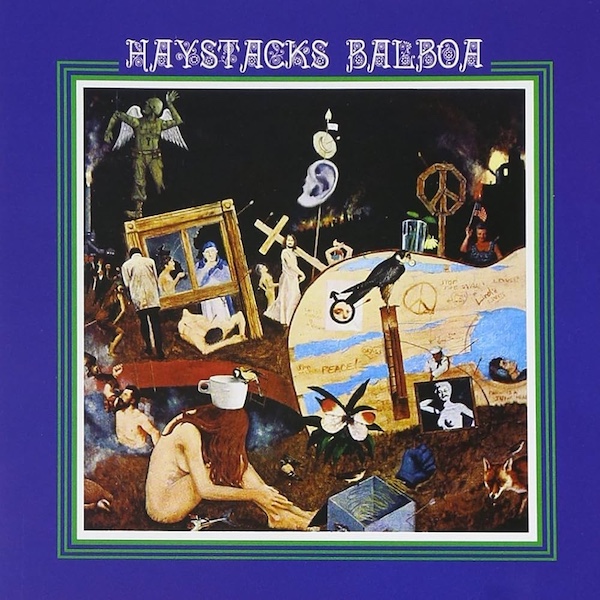
Haystacks Balboa: Haystacks Balboa (1970)

Another band lost to the either of the early 70s rock and prog brigade, Haystacks Balboa formed up in Forest Hills, Queens and hit the circuit hard, opening for the likes of Jethro Tull, Faces, Savoy Brown and Mungo Jerry. Their one and only album was produced by Shadow Morton, which is pretty much the extent of their listing on Wikipedia (under Shadow Morton, no less). What makes one band rise to the top, and another fall to obscurity? Listening to Haystacks Balboa again, I have ideas but no firm answers. There’s some real gold on the debut, but there are also the claw marks of inexperience, though not enough to turn me off to the band’s many charms.

Continue reading “Haystacks Balboa: Haystacks Balboa (1970)”
takeshi terauchi - Eleki bushi

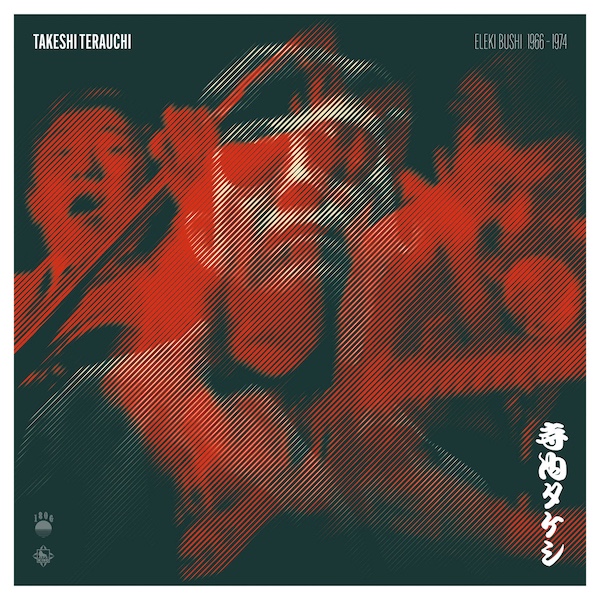
Takeshi Terauchi: Eleki Bushi 1966-1974 (2023)

Here’s the connective tissue as to how I stumbled upon Takseshi Terauchi, the premier guitarist of late 60s Japan, a purveyor of the surf sound made popular by The Ventures, who (if you believe the liner notes) were a bigger influence in post-war Japan than The Beatles. I was home on the couch, depressed and anxious, and I got an email announcing a repress of Terauchi’s first album with his backing band The Blue Jeans. Seeking to fill a gaping hole via media consumption I spent about 15 minutes checking out his music and instead settled on Eleki Bushi (1966-1974), an admittedly fantastic retrospective of the man’s style and technicality. Shockingly, I’m still massively depressed and anxious, but now I have some cool Japanese surf rock to serve as background music.

Is that glass half full?

Continue reading “Takeshi Terauchi: Eleki Bushi 1966-1974 (2023)”
quella vecchio locanda - quella vecchio locanda

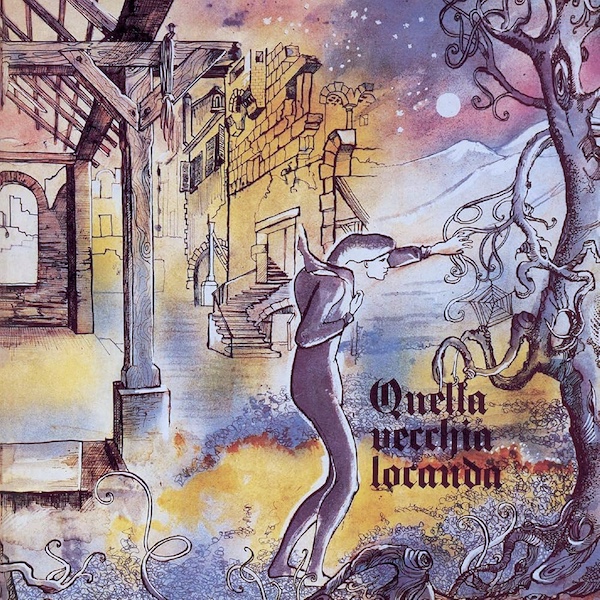
Quella Vecchio Locanda: Quella Vecchio Locanda (1972)

When in Rome…you get an afternoon to yourself, put your headphones on, and roam the streets looking for records stores. It wasn’t long before I found myself in front of Discoteca Laziale, a gorgeous marbled floor sanctuary for all manner of CDs and vinyl. My goal was some Italian progressive rock (again, when in Rome…) and was not surprised that Rome, like everywhere else, treats progressive rock like an unwanted step-child, relegating the vinyl to two unmarked boxes in the back and a small corner for CDs. Still, I grabbed the eponymous debut from Quella Vecchio Locanda (translated as “That Old Inn”) for just €9, and its blend of Jethro Tull-inspired folk rock with a heady dose of classical elements and symphonic arrangements made for a great travel companion throughout the first part of my trip to Italy.

Continue reading “Quella Vecchio Locanda: Quella Vecchio Locanda (1972)”
motörhead - the manticore tapes

Motörhead: The Manticore Tapes (2025)

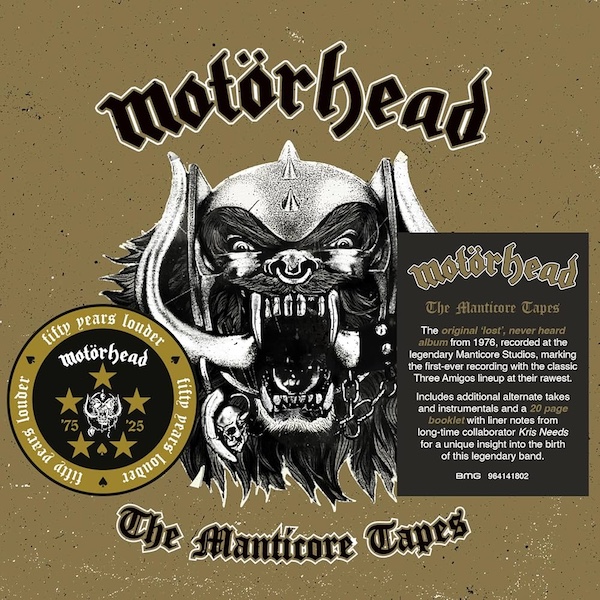
First breaths of a band are a tricky thing. It can take a few years – hell, it can take a few albums – before a band achieves that singular cohesion of function and form. Being kicked out of Hawkwind, Lemmy Kilmister knew EXACTLY what he wanted to become: the ugliest, dirtiest rock and troll band in the world. But despite the clear mission statement, it took a year to drudge up the exact combination of filth – namely, “Fast” Eddie Clarke on guitars and Phil “Philthy Animal” Taylor on drums – to truly make Motörhead the band Lemmy needed it to be. The Manticore Tapes bring to life one of the earliest recording the classic trio did, a series of recorded rehearsals at Manticore, the headquarters of Emerson, Lake, and Palmer. Don’t call it a “lost album”; call it the birth of a sound that would continue to make your lawn die 50 years later.

Continue reading “Motörhead: The Manticore Tapes (2025)”
cargo - cargo

Cargo: Cargo (1972)

Another fast review of a “lost” band, this time the Dutch progressive rock band Cargo, forming in 1970 under the name September, releasing a few singles, changing personnel and name, recording a single album and breaking up shortly thereafter. I’m sure that’s a trajectory hundreds if not thousands of bands fell victim to during the same period, and truth be told Cargo the eponymous album doesn’t sound like progressive rock to my ears. Sure, it’s only four tracks with two going over the 10-minute mark, but musically this falls into a Wishbone Ash classic hard rock vein to my ears, so if that’s more your thing than twisty time changes and copious keyboards Cargo might fit the bill as a lost gem.

Continue reading “Cargo: Cargo (1972)”