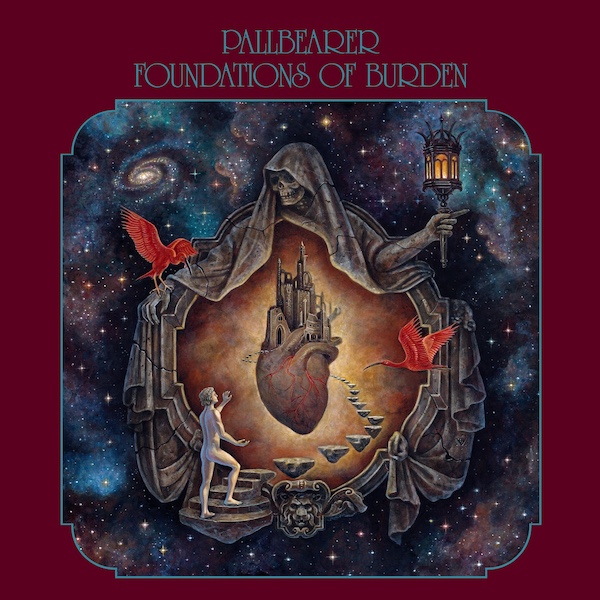
pallbearer - foundations of burden

Pallbearer: Foundations of Burden (2014)

Another example of trying, thinking the failure is on my part. Pallbearer put out one of the greatest rock albums of all time (IMHO) with 2017’s Heartless; I still contend “I Saw the End” has one of the truly great metal solos of the 2000s, and both “Dancing in Madness” and the title track show the breadth of the band’s sonic vision. But nothing else truly connected with me, despite owning the original Foundations of Burden on CD as well as all the band’s follow-ups on vinyl. When the 2025 remix came out last year, I made a decision to take one last plunge: maybe the new mix would win me over? Let’s get into it after the jump, and maybe talk about efforts like this in the process.

Continue reading “Pallbearer: Foundations of Burden (2014)”
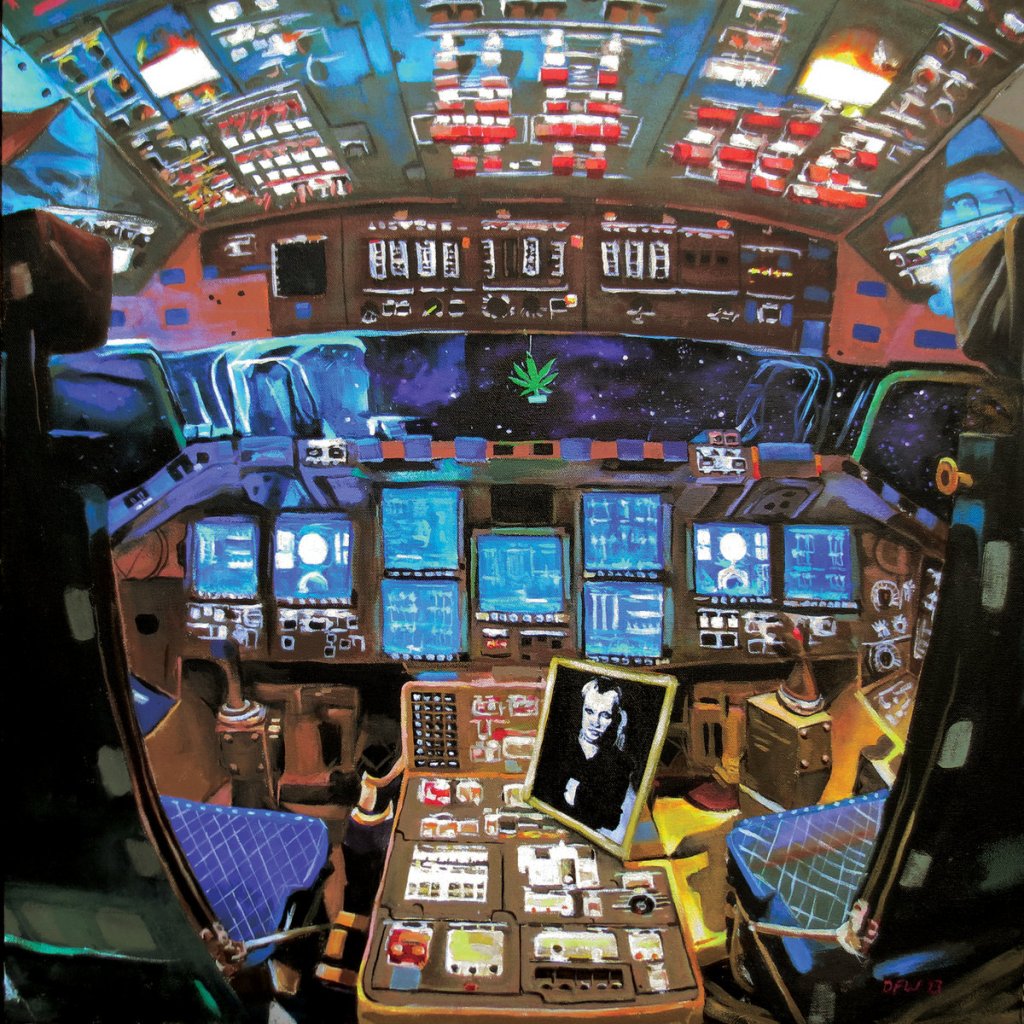
moon letters - until they feel the sun

Moon Letters: Until They Feel The Sun (2019)

When it comes debuts, I like to come in with a different set of expectations, especially if I’m coming to it after already heard later releases. Such is the case with Moon Letters, a Seattle, WA band whose debut Until They Feel The Sun wears its influences so clearly on its sleeve there are moments when I chuckle. But it’s exuberant, and to my ears comes not from calculation but from the rush of joy that comes from making something that speaks to that inner voice, the one that prompted the picking up of an instrument in the first place.

Continue reading “Moon Letters: Until They Feel The Sun (2019)”
thee oh sees - floating coffin

Thee Oh Sees: Floating Coffin (2013)

Around the same time I discovered Ty Segall I discovered John Dwyer. Like Segall most of his output centers on explorations of psych and garage filtered through different lenses, and like Segall he’s prolific, with multiple projects releasing per year. But unlike Segall, there’s an abrasive, punk sensibility that permeates his best music, particularly with Thee Oh Sees (sometimes OCS, for a while Oh Sees, for now simply Osees) which – surprise no surprise – is my favorite sonic output of his vision. What is a surprise is how little of his output I’ve covered on the site, so let’s rectify that by going back to the earliest album I currently own, 2013’s Floating Coffin, which showcases a level of dynamics missing from the band most recent records.

Continue reading “Thee Oh Sees: Floating Coffin (2013)”
errata corrige - siegfried 2015 version

Errata Corrige: Siegfried, Il Drago E Altre Storie (2015)

Here’s an obscure one the close the RPI week out. Errata Corrige was a symphonic prog band who released a rough debut in 1976 with limited funds, tried again with some slightly newer music that didn’t see release until 1991 and went away. Almost 25 years later the band, now older, wiser, and more experienced, returned to re-record their debut as they originally envisioned it. The result, Siegfried, Il Drago E Altre Storie, is a rich and layered experience, truly embracing the more pastoral aspects of the genre, and even if it isn’t the most thrilling album in the world, it’s got a lot of heft and weight in its idyllic grace.

Continue reading “Errata Corrige: Siegfried, Il Drago E Altre Storie (2015)”
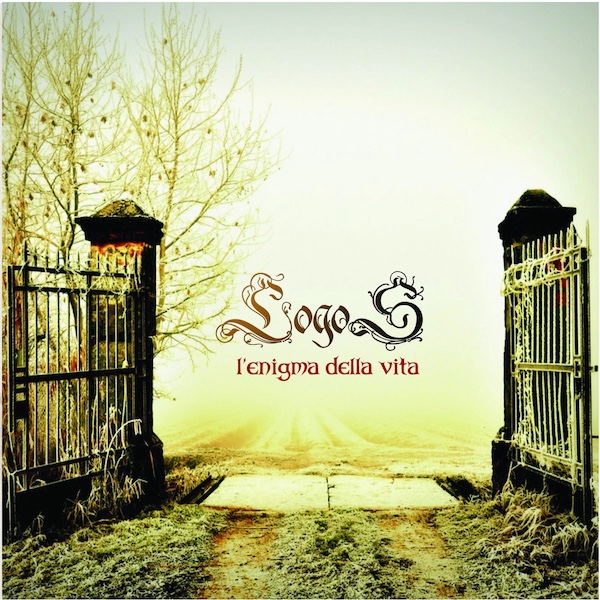
logos - l'enigma della vita

LogoS: L’enigma Della Vita (2014)

You can’t escape the past. We are the sum of what’s come before us, and that’s perhaps even more true when it comes other progressive rock. But the catch that too many newer bands forget is that we’re the sum of our entire past, not just what was happening in the UK in the 70s. And so when a band like LogoS comes around, consuming music and influences throughout progressive rock’s entire history it’s refreshing. L’enigma Della Vita is the band’s third album, coming 13 years after two solid if underwhelming releases. Thwe time spent was worth it, as this is a great sounding album with plenty of more modern touchstones to play around with.

Continue reading “LogoS: L’enigma Della Vita (2014)”
opeth - heritage

Opeth: Heritage (2011)

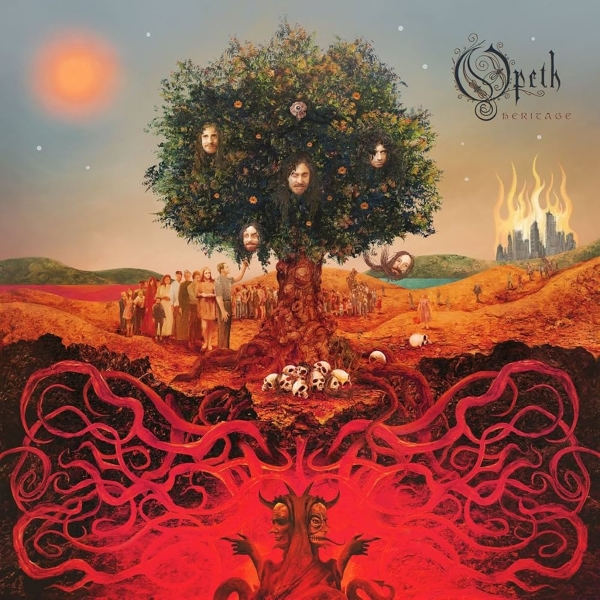
Make no bones about it. Heritage, the 10th “observation” from Sweden’s premier progressive death metal titans Opeth was the album they needed to make. Tired of trotting out the same (though unique to them) twisted melodic progressive death featuring incredible syncopation, lush keyboards and solos, and Mikael Åkerfeldt’s sublime death growls, the band needed to change gears to survive. So yes: there’s no arguing that this album needed to be made, and based on the – in my opinion – progressively more progressive and exploratory albums that followed Heritage absolutely succeeded in reinvigorating the band, whether you like the change in direction or not. Does that mean I actually like Heritage, though? On the occasion of the recent reissue of the album on vinyl I decided to wade back into the waters and see what I could find for myself.

Continue reading “Opeth: Heritage (2011)”