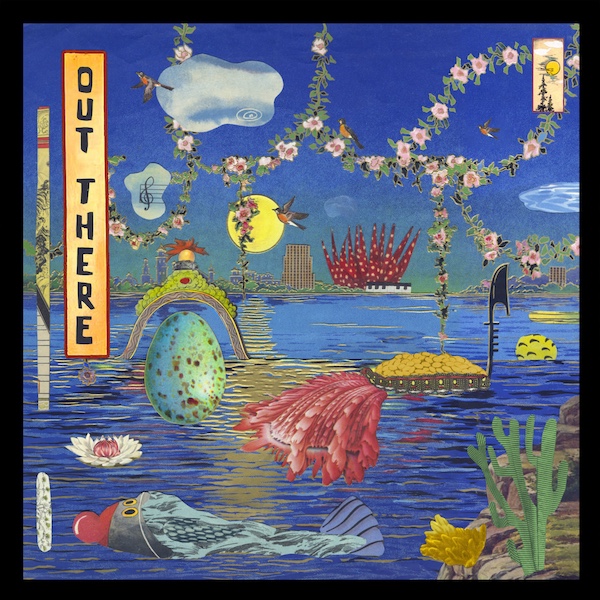
hiromi - out there

Hiromi: Out There (2025)

Similar to my last review, the where’s and how’s of my discovering the indelible virtuosity of jazz pianist Hiromi are lost to the fog of age (and probably weed, who are we kidding?). Maybe it was during my heady exploration of the fusion and jazz rock coming out of Japan in the ’70s, but however the path was laid, I’m so glad it led me to Out There, her latest album and collaboration with her full band unit Sonicwonder. It’s a heady mix of styles, exuberant and joyful and packing so much excellence in the performance aspect once I put it on, it’s hard not to let it replay over and over again.

Continue reading “Hiromi: Out There (2025)”
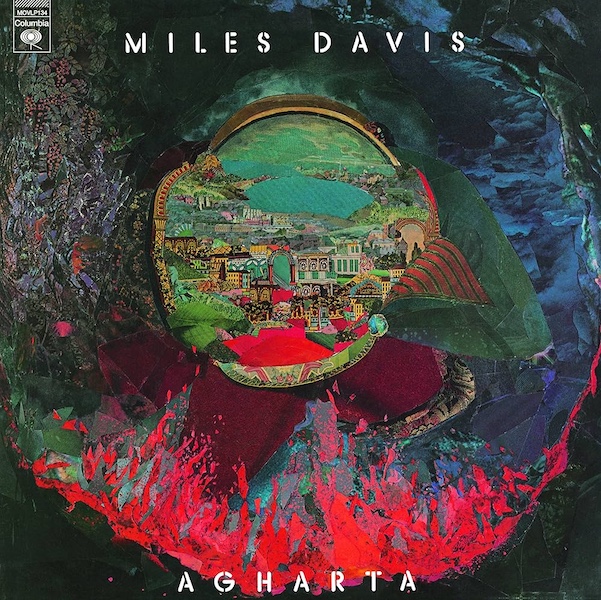
miles davis - agharta

Miles Davis: Agharta (1975)

Where does a listener start when it comes to the “electric period” of Miles Davis? Where does the “electric period” even begin? Miles and the second quintet were using electric instruments as far back as Miles In The Sky (a personal favorite) but it seems like most folks peg it at the ambient, rolling atmosphere of In A Silent Way (another favorite). Where listeners start, though, is another matter. For me it was unfortunately with Pangaea, a live set from Japan that at age 17 I was not prepared for. Had I only started with that same date’s afternoon set, the brilliantly funky Agharta, I might have more quickly embraced this side of Davis’s career instead of retreating back to the early 60s for much of my 20s and 30s.

Continue reading “Miles Davis: Agharta (1975)”
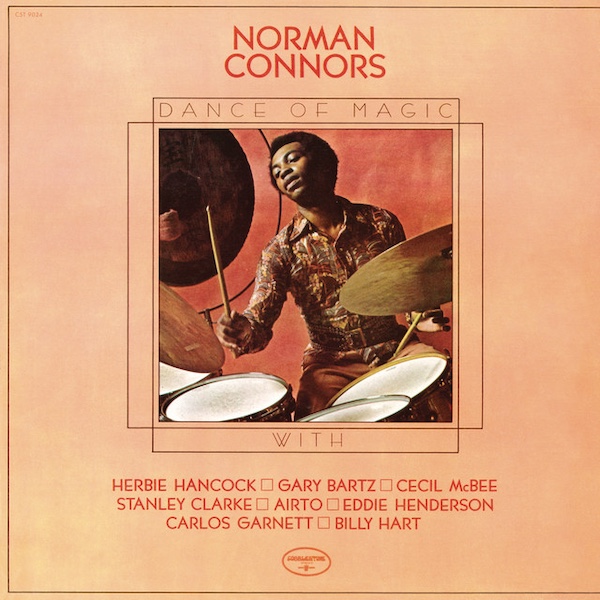
norman connors - dance of magic

Norman Connors: Dance of Magic (1972)

I wasn’t planning on this being a jazz-heavy week, but after listening to the fantastic Les McCann album, I turned to see what other unlistened CDs and records I had lying around and recalled the 2-for-1 disc featuring the first two albums of drummer Norman Connors as a bandleader. Although he’d be more known for his smooth R&B soul jazz in a few years with hits like “Betcha By Golly Wow” and “You Are My Starship”, Dance of Magic shows the man in hardcore jazz mode with a killer lineup helping to bring his vision to life. Also like McCann, it features one massive side-long track followed by a few shorter numbers, but the improvisation and genre mixing goes in both a smoother and more avant-garde direction.

Continue reading “Norman Connors: Dance of Magic (1972)”
steve hackett - please don't touch

Steve Hackett: Please Don’t Touch (1979)

If Voyage of the Acolyte was anything, it was the expected thing from Steve Hackett. A synthesis of his progressive rock chops honed from his time in Genesis and his penchant for more pastoral, classical arrangements. And beautiful guitar playing, of course. So the surprise of the left turn he takes on his sophomore solo album makes Please Don’t Touch perhaps makes the album more of a delight than I anticipated. Hackett recorded in the United States, working with a number of incredible vocalists and a killer’s row of backup musicians, and the variety of styles on display makes this a delight, my current go-to record for lifting the spirits.

Continue reading “Steve Hackett: Please Don’t Touch (1979)”
steve hackett - voyage of the acolyte

Steve Hackett: Voyage of the Acolyte (1975)

It was a difficult walk. We had a fight just before then, and because I wasn’t sure if it was going to continue I kept my headphones off in case I needed to listen and respond. She put hers on first, and I I did the same, reaching for something to get lost in. I’d been so enamored of Steve Hackett and his live series of discs covering large swaths of the Genesis catalog I had largely foregone his actual solo output. I found a great 1st US pressing of his debut Voyage of the Acolyte on Discogs, spun it up (virtually) and proceeded to get lost.

Continue reading “Steve Hackett: Voyage of the Acolyte (1975)”
psi - horizonte

PSI: Horizonte (1977)

One look at that cover art and I know I was going to pick this title up. Horizonte is the sole album from German fusion band PSI, released in the heyday of the explosion of jazz rock in Germany in the mid to late 70s. Tight, complex rhythms with a lead focus on keyboards and guitars, the album hits a broad, sunny tone throughout most of its seven tracks, never getting overly dark or serious. That’s not to say the music isn’t serious: this is fusion, after all, and everyone takes their job seriously. But like the Web Web I reviewed the other day, for my ears it’s effervescent, clean and clean and leaving soon after arriving.

Continue reading “PSI: Horizonte (1977)”