naxatras - v

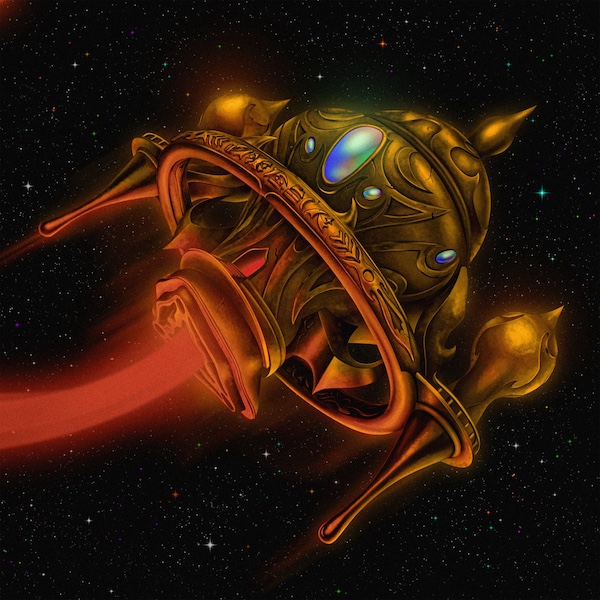
Naxatras: V (2025)

Time has since clouded just how I discovered Naxatras, the Greek psychedelic rock outfit. I think it was via Bandcamp, possibly by following the breadcrumb trail of “You Might Also Like…” albums at the bottom of the page of…some album. I remember I featured the band’s fourth full length, simply titled IV, in my Best of 2022 Stoner and Psych list over at Nine Circles, and now here we are with the equally descriptive album title V. Good news is it’s even better than its predecessor, heavier and doubling down on the exotic flavor of its melodies. This has been another great headphones album, but it’s equally effective played at loud volumes on a good stereo.

Continue reading “Naxatras: V (2025)”
go kurosawa - soft shakes

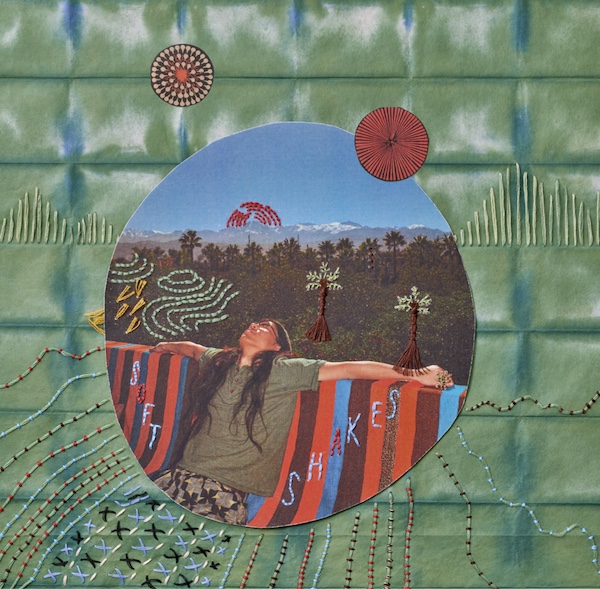
Go Kurosawa: soft shakes (2025)

I love it when I discover something with tendrils. As per usual, it started with Erik, who introduced me to the soft, joyous psychedelic haze of Kikagaku Moyo. Through them, the tendril reached to the label, Guruguru Brain, and I discovered an entire world of interesting, complex yet utterly entrancing sounds from the likes of LAIR and Minami Deutsch, among others. But still more tendrils led on, and I discovered the label was co-founded and run by Go Kurosawa, who – to circle back to the beginning – was the drummer and vocalist for Kikagaku Moyo. A few years after the band’s end, he returns with soft shakes, his solo debut. It’s a change in sound that nonetheless is imbued with everything that enchanted me about Kikagaku Moyo’s music.

Continue reading “Go Kurosawa: soft shakes (2025)”
mdou mortar - funeral for justice

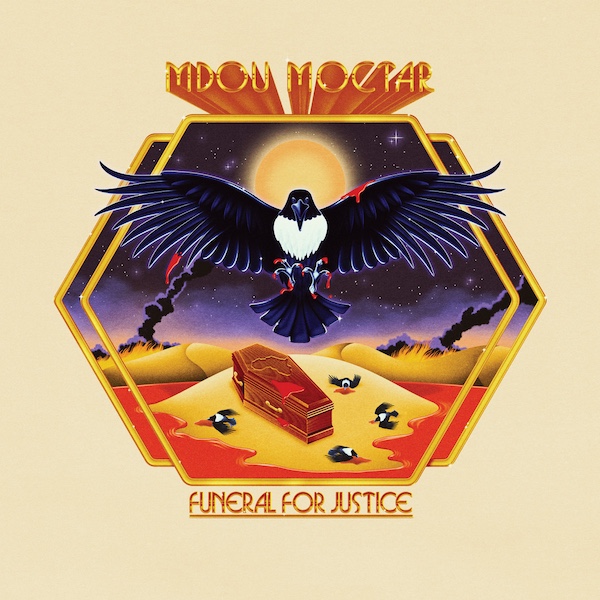
Mdou Moctar: Funeral For Justice (2024)

It’s been said that Mdou Moctar, the ferocious guitar whiz some have dubbed the “Eddie Van Halen of Tuareg” built his first guitar because of Abdallah Oumbadougou. So it’s fitting that on the heels of Oumbadougou’s stellar compilation we get to Moctar’s sixth album of righteous rock, Funeral for Justice. And similar to that compilation, the music is imbued with a fiery political perspective and lyrics that speak to the loss of Nigerian culture in a land of continued colonialism and encroaching homogenization. Where the two differ is in the intensity of their approach. Where Oumbadougou sits nestled in an almost folk blues exploration, Mdou Moctar blazes out with – to leverage a Clutch title – pure rock fury.

Continue reading “Mdou Moctar: Funeral For Justice (2024)”
abdallah oumbadougou - amghar

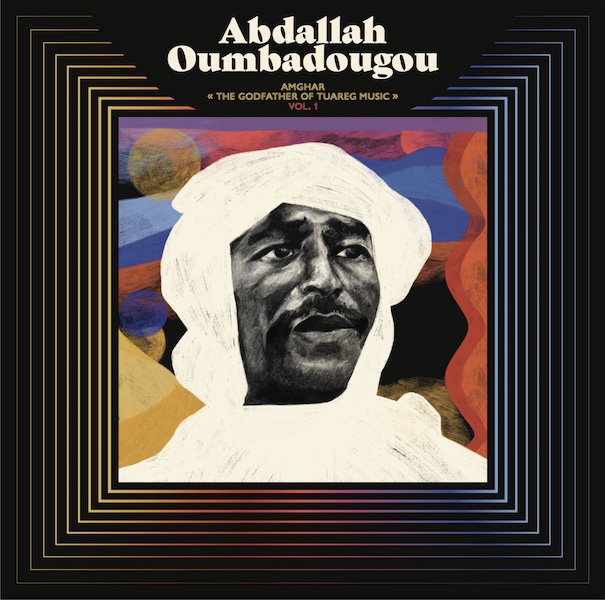
Abdallah Oumbadougou: AMGHAR – The Godfather Of Tuareg Music, Vol. 1 (2024)

Sometimes an artist will reach out of the past to grab you, shake you free of your normal listening routine and wake you up to a much wider world. I remember back in the 80s when Paul Simon’s Graceland came out that my friends were over the moon at the discovery of Ladysmith Black Mambazo, which in turn led to discovering the rich desert blues of African artists like Ali Farka Touré, Fela Kuti, Tinariwen, and others. That discovery and exploration has exploded over the last few years, and when my friends turned me on to Abdallah Oumbadougou it was another gravity-defying moment. I would normally hesitate to put a compilation up in my list of the best albums of 2024, but AMGHAR – The Godfather of Tuareg Music, Vol.1 is so good, so fresh and intoxicating that I had no choice. As the first retrospective of Oumbadougou’s work, it’s an essential album for anyone looking to explore ishumar, the specific desert blues style that originated and proliferated in the Sahara.

Continue reading “Abdallah Oumbadougou: AMGHAR – The Godfather Of Tuareg Music, Vol. 1 (2024)”
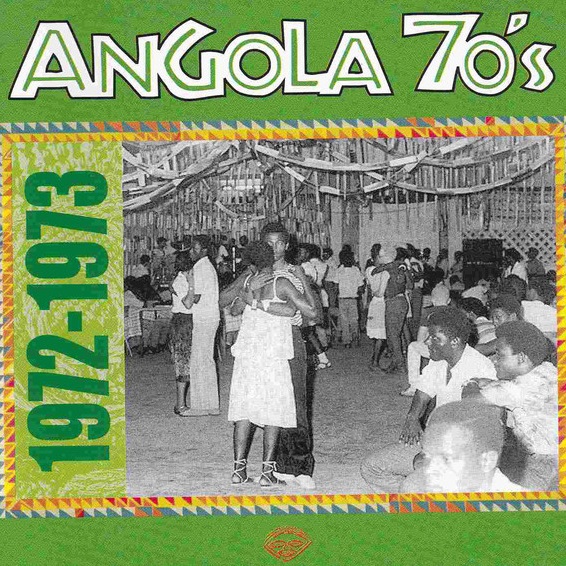
angola 70s

Angola 70s: 1972-1973 (2000)

I don’t remember how I came across this disc, but Buda Musique’s collection of Angolan pop is a goldmine of incredible music.  Angola 70s: 1972-1973 provides a great starting place to hear traditional Angolan semba music and its commonalities and differences with other popular music.  There’s a lot to consider in the upbeat melodies considering the history of the music as a form of rebellion against Portuguese rule in prior to the country’s independence in 1975. 

Continue reading “Angola 70s: 1972-1973 (2000)”