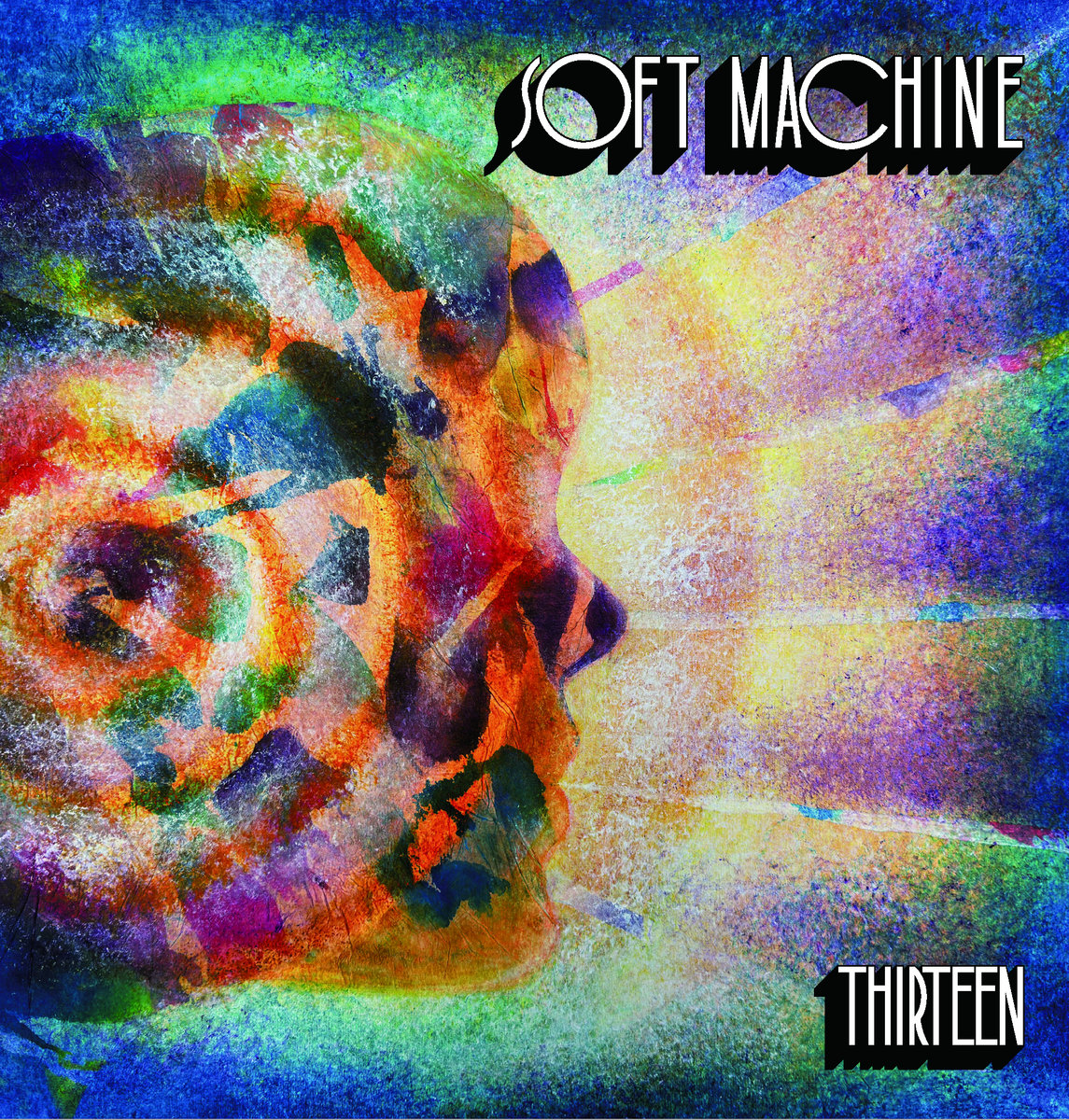
There was a moment in time when I decided to go all in on Soft Machine. They were one of the big guns of early UK prog, and helped establish what would come to be the Canterbury Scene. The rotating band membership alone could fill the Rock and Roll Hall of Fame, and yet despite a number of tweaks to the formula not only have Soft Machine maintained a clear throughline of jazz-emphasized progressive rock, but in Thirteen have delivered a killer album that straddles the line of guitar heroics in ways I was not prepared for. Old guys rocking for the win once again, my friends.
Though the founders may be gone, guitarist John Etheridge has been reinforcing the band’s legacy since 1975, with a few breaks before committing and moving forward over the last decade with a steady stream of new music. And he is the absolute star of the opening track “Lemon Poem Song,” which in three and a half minutes showcases fretboard theatrics that recall more Joe Satriani than anything the band have done in their classic years (okay, some of the Holdsworth stuff excepted). It’s an incredible way to open the album, at once modern and vibrant but also clearly adhering to a vision that’s been in place for over 50 years.
“Open Road” does the same thing for saxophone, and it was a joy to go through the liner notes and discover that Theo Travis — MVP of many a Tangent album — not only supplies the sax but has been a steady member since 2015. He’s unsurprisingly fantastic, handling not only sax but flute and keyboards, providing the thickness that makes up Thirteen’s material. Between him and Etheridge, soloing is not only covered but dazzling.
It doesn’t come together without a solid rhythm section, and despite being recent additions to the lineup both Fred Baker on bass and Asaf Sirkus on drums come together beautifully on their debut Soft Machine recording. The opening moments of “Seven Hours” show the pair not only locked into each other but totally aware of their soloists, knowing exactly when to explore and when to lay back and support. It’s the kind of support system you want for this very specific style of music, where the jazz component is more focused on composed themes — one listen to the 13-minute “The Longest Night” shows the group’s facility with ensemble composition.

Anyone looking for a closer tie to the band’s roots can enjoy “Daevid’s Special Cuppa” which features an unearthed contribution from founding guitarist Daevid Allen, who sadly passed away in 2015. It’s a fragile, somber close to an outstanding album.
Now, where did I put those clamshells?


Leave a Reply