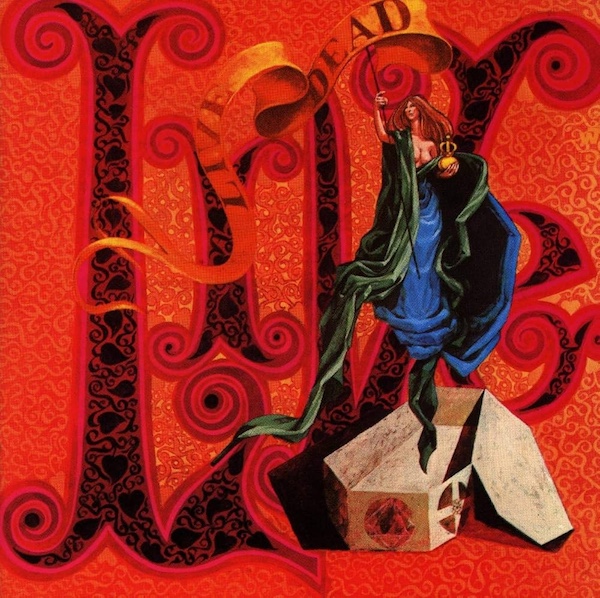
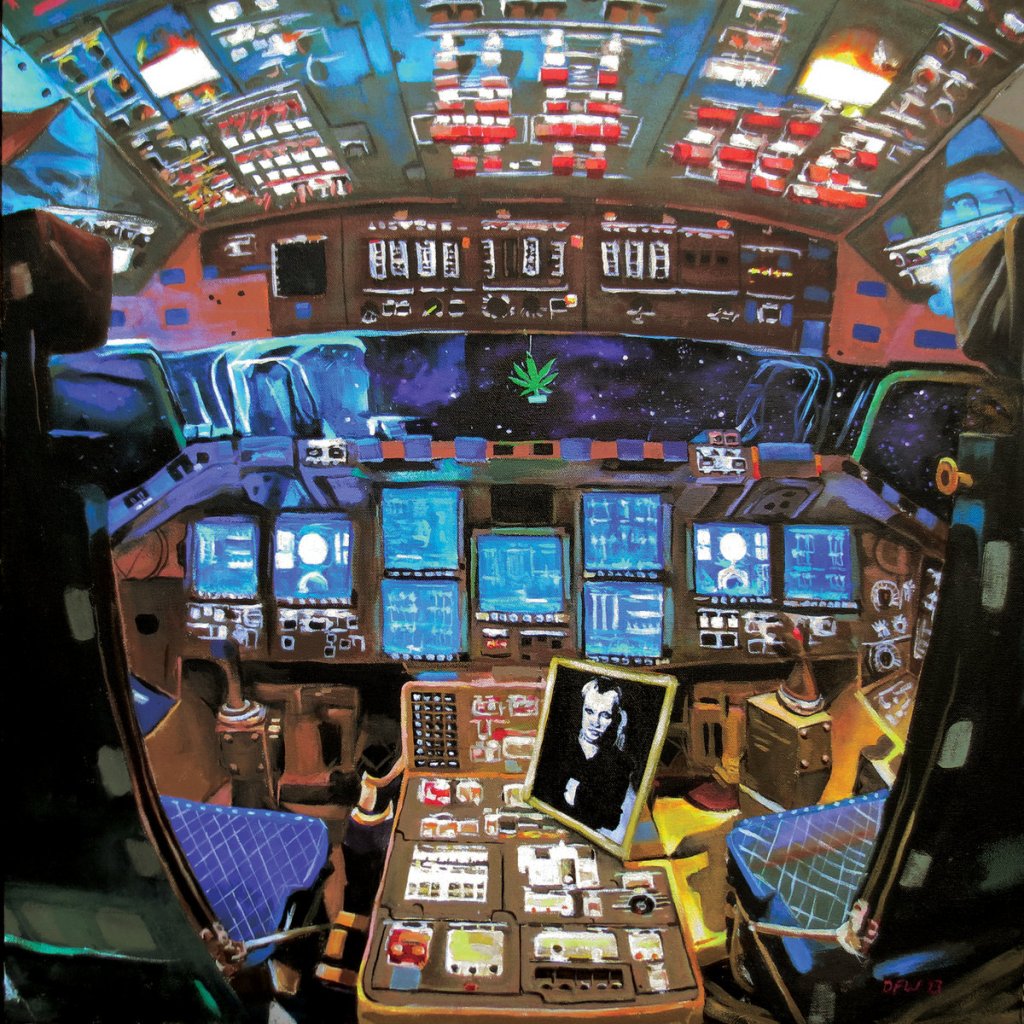
From chaos to order. Its starts with the different instruments, tuning and finding there feet in a large, sonic space. But eventually the disparate sounds come together, and it’s anchored by the bass. Soon the individual components become the whole that is Grateful Dead, and as “Dark Star” kicks off Side A of the band’s classic first (of literally hundreds) live release in earnest we realize just how essential (I was going to say instrumental but that’s a pun too far) the late, great Phil Lesh was to the band’s sound. Live/Dead is so many things, and for me it’s still the definitive live document of the band, and the album I turn to not only when I need some Grateful Dead in my ears, but when I need to drift off and calm my mind as well.
This isn’t meant to be a full review of the album; I don’t know what I could add to the I’m guessing thousands of hours spent on discussing not only the band but their various live documents. Think of this as my quick recognition of the passing of a giant, and of why I even listen to Grateful Dead at all. When I dod listen to the band, it’s exclusively live albums. I’ve tried again and again to dig into the studio stuff but it always leaves me cold. Reflecting on it now as I luxuriate in the perfect trifecta of “Dark Star” leading into “St. Stephen” and then into “The Eleven” it’s the sense of exploration that pulls me in, something the band was exceptional at, even as they transitioned out of the purely psychedelic jam rock and into more county and good time rock and roll pleasures. It isn’t necessarily that I want “Grateful Dead” music – is that I want to hear a group of musicians stretch and explore a rhythm and vamp together, finding pockets of gold and reaching, falling backwards and then catching themselves in a new place space.
Does it help that you have someone as gifted in guitar as Jerry Garcia? Absolutely. But even his light, dexterous solos won’t work without being grounded in a sublime rhythm section, and it’s there that Lesh, coupled with Micky Hart and Bill Kruetzmann really shined. Even in the moments where there is no percussion, no bass, those gaps, those empty pockets are just as essential to the sound of the band as the moments of pure music copulation (ewwww), and in those three track that take up almost 40 minutes of the album’s runtime I find more joy, more peace and solace than in almost any piece of modern music.
The rest of the album is no slouch, with Pigpen’s signature “Turn On Your Love Light” covering the good time rock and roll quota for the album, and the stellar blues of “Death Don’t Have No Mercy” being an almost perfect example of what I crave in a blues guitar workout, summoning the best of what Jimmy Page was shedding in early Zeppelin while nodding heavily to the greats in the St. Louis, Chicago, and Delta blues arena. I love thinking of Garcia’s solos here whenever people conjure up the happy go-lucky persona he would come to embody in later years. And for anyone who still only thinks of the Dead as a bunch of hippy feel-good potheads playing groovy tunes, the 7-minute “Feedback” should lay that notion to utter waste.
Beautiful, essential album to my ears, heart, and mind.



 Consuming the Tangible
Leave a comment