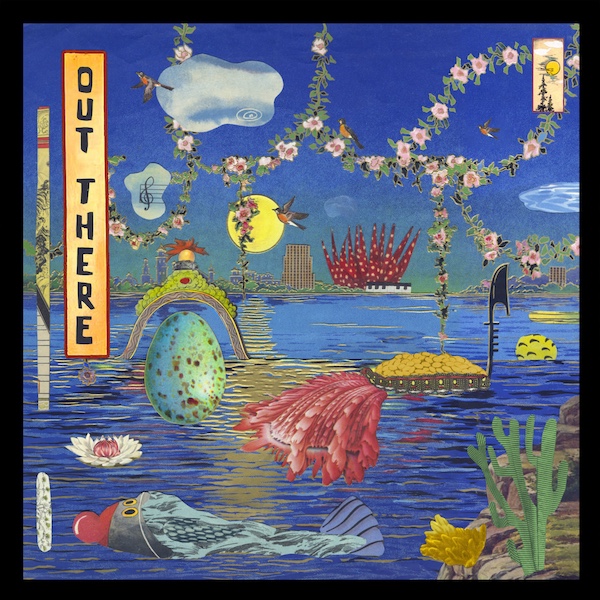
Similar to my last review, the where’s and how’s of my discovering the indelible virtuosity of jazz pianist Hiromi are lost to the fog of age (and probably weed, who are we kidding?). Maybe it was during my heady exploration of the fusion and jazz rock coming out of Japan in the ’70s, but however the path was laid, I’m so glad it led me to Out There, her latest album and collaboration with her full band unit Sonicwonder. It’s a heady mix of styles, exuberant and joyful and packing so much excellence in the performance aspect once I put it on, it’s hard not to let it replay over and over again.
Listening again last night as the opening to “XYZ” charged ahead, my first thoughts were of Hiromi’s compositional skills rather than her playing ability. She strikes these incredible balances between Zappa-esque arrangements, ’80s-era King Crimson with repeated and shifting rhythms, and classic mid–70s fusion from the likes of Chick Corea and Joe Zawinul. That emphasis on composition and arranging extends to her collaborators: despite her genius on the piano, she is very much about giving the spotlight to her band.
Of particular note is bassist Hadrien Feraud, who slinks and creeps around the many, MANY rhythms throughout Out There and strikes like a viper at crucial moments. The way he works with drummer Gene Coyne is astonishing, their mental telepathy evident in every pulse and click of Coyne’s sticks. I don’t want to leave out trumpet/electronics guru Adam O’Farrill, either: his playing gets to Coltrane “sheets of sound” levels on the excellent “Yes! Ramen!!” which despite sounding like something my son would say (and did say, since we grabbed some from his favorite local place over Thanksgiving break) is in actuality a breakneck display of everyone’s chops while maintaining a great pop melodic hook throughout its eight-minute runtime.
Barring a small dip in the vocal-led “Pendulum” featuring Michelle Willis which kills the kinetic momentum Out There brings – it might have been better served as a closer, replacing the solo piano version Hiromi tacks on at the end – the rest of the album is stellar, with the four-part suite of the title track touching on every available sonic influence Hiromi can think of, and the closing fun of “Balloon Pop” with its staccato drum hits makes this one of the most enjoyable releases of the year, regardless of genre.
Bonus: if you want to see and hear Hiromi talk about her music, Rick Beato did a great interview with her a few months back you can check out here.



 Consuming the Tangible
Leave a comment