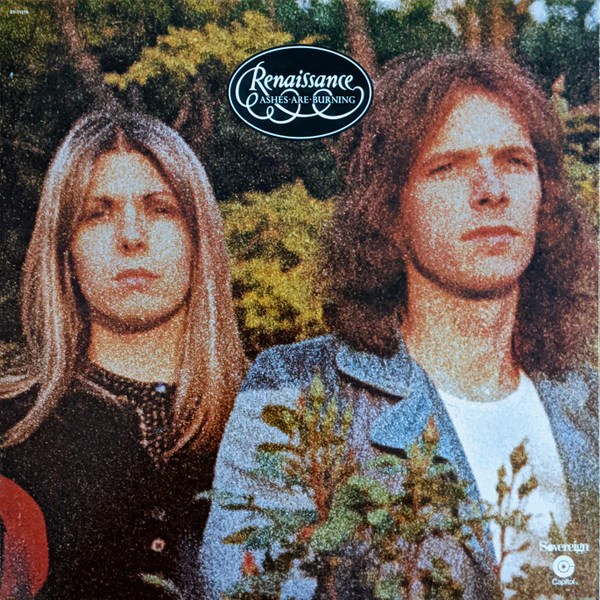
Sometimes there are bands that just don’t fit the mold you’re looking for in a given genre, but where you find something that changes your framework for what you’re seeking. I think that’s a good thing, and I thank Renaissance for convincing me through their ’70s output that progressive rock doesn’t need to have searing guitar leads or a heavy rock beat. Sometimes a gorgeous structure and a killer 5-octave voice are all you need to satisfy the itch. And though it’s the fifth album to enter my collection, Ashes Are Burning is the earliest of them, and I’d argue the album that solidified the “classic” Renaissance sound.
The setup at this time was odd, to say the least. Guitarist and songwriter Michael Dunford wrote most of Ashes Are Burning, but he wasn’t a full member of the band until after the album was released. Similarly, the lyrics were written by his writing partner Betty Thatcher, so we have a case of the classic lineup kind of being set, but at the time of the album’s recording no one in the band actually wrote any of the music.
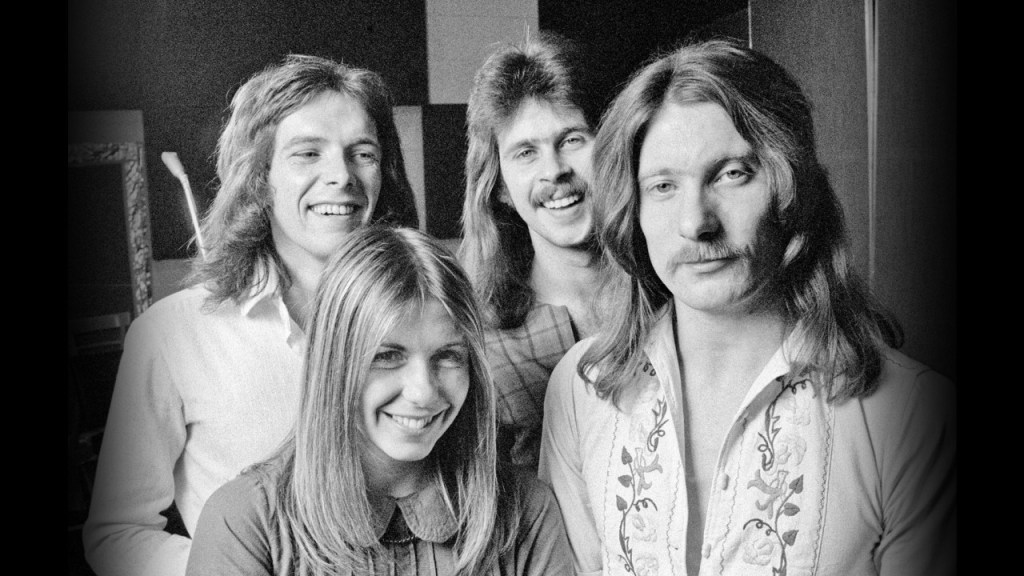
That’s okay, because the group—keyboardist John Tout, bassist and guitarist Jon Camp, drummer Terence Sullivan and vocalist Annie Haslam—know exactly how to execute what Dunford and Thatcher were laying down. Setting the tone with a massive gong, “Can You Understand” is a sweeping epic with Tout’s piano laying the melody down with some electric power coming from Camp. It’s a fantastic opening suite, and the perfect intro to the vocal part that follows.
Speaking of vocals, Annie Haslam truly carries the song forward from there, and is the undeniable centerpiece of Ashes Are Burning as a whole. Her voice is incredible, and even when she’s singing something as treacly as the cringe-inducing “Let It Grow” I have a smile on my face. Thankfully it’s a brief sidestep and the music gets back on track with the grooving, psychedelic folk of “On The Frontier” to end the side.
The second side starts off with the brief exuberance of “Carpet of the Sun” before settling into the more somber and reflective “At the Harbour” where Tout again shines with his piano work. But the 11-minute title track is where Ashes Are Burning really comes together. Featuring some great lead guitar work from Wishbone Ash’s Andy Powell, it’s the platonic ideal of a Renaissance song. Haslam sounds divine, the band really stretches together, and the harmony vocals from Tout and Camp really deliver.
Not your typical UK ’70s prog nor part of the Canterbury scene, Renaissance really carved out a niche in the pastoral/folk corner of progressive rock, and this early classic is a great starting place if you’ve never heard the group, or Haslam’s angelic vocals.


 Consuming the Tangible
Leave a comment